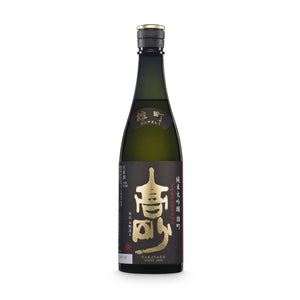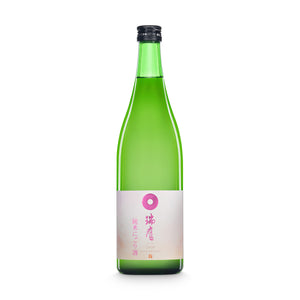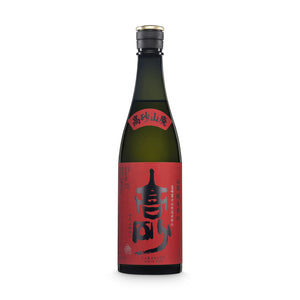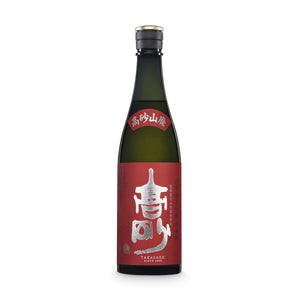
24 Products
What is sake?

Sake is a Japanese alcoholic beverage with a long tradition and cultural history. It is always made from rice, koji rice, and water. The flavors are extremely diverse, and there are also different categories. The term "sake" is often used in Japan as a collective term for alcoholic beverages. Sake as such is called "nihonshu" in Japan. The traditional fermented drink has more than five hundred different flavors.
Sake is often referred to as Japanese rice wine, which is not correct. Because it is not really wine. In terms of its numerous flavor nuances, sake is actually most comparable to wine. With an alcohol content of usually 14 to 17 percent, sake is also similar to wine. However, the fermentation processes and the addition of yeast required for its production are more reminiscent of beer production.

Sake is one of the oldest cultivated beverages in the world. Archaeological finds prove that rice was already being cultivated in Japan around 300 BC during the Yayoi period, having been brought over from China. The type of rice used is one of the factors that determines the quality of the sake produced. Conventional rice, i.e., table rice used for eating, is less commonly used because these varieties contain little starch. Sake rice varieties, known as "sakamai," which are grown specifically for sake production, are rich in starch, which has a very positive effect on the taste of the final product. There are around 125 varieties of rice used for sake production. The most widely used varieties are Yamada Nishiki, Gohyakumangoku, Omachi, and Miyama Nishiki. To achieve the optimal flavor, the rice is polished, as the outer layers of the grain contain more proteins and fats. The starch is only found in the core of the grain, known as "Shinpaku" or "white heart." Some of the steamed rice is separated and inoculated with koji, a special mold. The koji ensures that the starch in the rice is converted into fermentable sugar and is therefore essential for alcoholic fermentation. Once this has been achieved, the rest of the steamed rice, along with water and yeast, is added to the koji rice in a fermentation vat and fermented into sake.

Sake categories
The degree of polishing determines the quality of the sake. There are two broad categories: standard sake ("Futsushu") and premium sake ("Tokutei Meishoshu"). Futsushu is the simplest quality, essentially "table sake," and is not subject to any specific regulations, such as the polishing of the rice. Honjozo sake, on the other hand, has a polishing rate of 70 percent, which means that 30 percent of the rice grain has been removed. The qualities "Ginjo," with at least sixty percent, and "Daiginjo," with only fifty percent of the original rice grain size remaining, are considered particularly fine. The more the rice is polished, the more elegant and usually fruity the taste of the sake becomes. And the more expensive it becomes, because polishing the rice is a complex process. Sake in which the alcohol is produced purely from the fermentation of rice bears the additional designation "Junmai," which may only be used if no Jozo alcohol, i.e., distilled alcohol, usually a neutral-tasting distillate from sugar cane, is involved. Thus, a "Junmai Daiginjo Sake," for example, is made from 100 percent rice that has been polished to at least fifty percent.
What's the best way to drink sake?
Premium sake should be enjoyed slightly chilled, as this allows its flavors to develop best. It is a common misconception that sake should only be drunk warm. In fact, the higher the quality, the less sake should be warmed. Honjozo sake or junmai sake, for example, are suitable for warming. Higher quality sake should be enjoyed slightly chilled in a special sake glass or, alternatively, in a white wine glass so that the aromas can unfold perfectly.
🔥🔥🔥Looking for the perfect sake for YOU??? Try our brand-new, interactive SAKE ADVISOR! 🔥🔥🔥